Complimentary Resource Guide
Your Wedding Day Photography Timeline
An expert timeline guide to help you plan the perfect photography schedule — from getting ready to the last dance.
From Your Creative Team
Why Your Timeline Matters
A well-planned photography timeline is the difference between relaxed, natural images and rushed, stiff photos. After photographing hundreds of weddings, we've learned that the couples who invest time in their timeline always get better results. This guide shares exactly what we recommend to every client.
01
Start With Getting Ready — Allow 90 Minutes
The bride's getting ready window is content gold. Professional photographers capture flat-lay details (dress, shoes, rings, invitations), candid moments of makeup and hair, and intimate family interactions. Schedule 60–90 minutes for this — these “in-between” moments often become your favorite images.
Expert Tip
Have all detail items (jewelry, perfume, invitation suite, shoes) gathered in one spot before your photographer arrives. Natural window light works best — choose the room with the biggest windows.
02
The First Look Decision
A first look (seeing each other before the ceremony) allows photographers to capture 40–50% of couple and bridal party portraits before the ceremony begins. This frees your entire cocktail hour for mingling with guests instead of being pulled away for photos. It's a deliberate planning decision, not an afterthought.
Expert Tip
If you're undecided, ask yourself: do I want my cocktail hour to enjoy with guests? If yes, a first look is worth serious consideration.
03
Wedding Party Portraits — Budget 30 Minutes
Group portraits require organization. Plan 30 minutes for wedding party shots, with a specific order: full party, groomsmen with groom, bridesmaids with bride, then creative group shots. Having a coordinator or designated person wrangle the group makes a significant difference in efficiency.
Expert Tip
Send your wedding party a text the night before with the exact time and location they need to be ready for portraits. Eliminate the “where do I go?” confusion.
04
Family Portraits — Create a Shot List
Budget 20–30 minutes for family portraits. Create a specific shot list with your photographer beforehand: immediate families, grandparents, and any special groupings. Assign a family member who knows everyone to help identify and organize groups.
Expert Tip
Keep your family portrait list to 15 combinations or fewer. Every additional grouping costs 2–3 minutes, and fatigue sets in quickly.
05
Ceremony Coverage Strategy
Most ceremonies run 20–45 minutes depending on traditions. Your photographer should scout the venue beforehand to identify optimal positions for vows, ring exchange, and the kiss. Coordinate with your officiant about positioning restrictions — some venues have strict rules about photographer placement.
06
Chase the Golden Hour
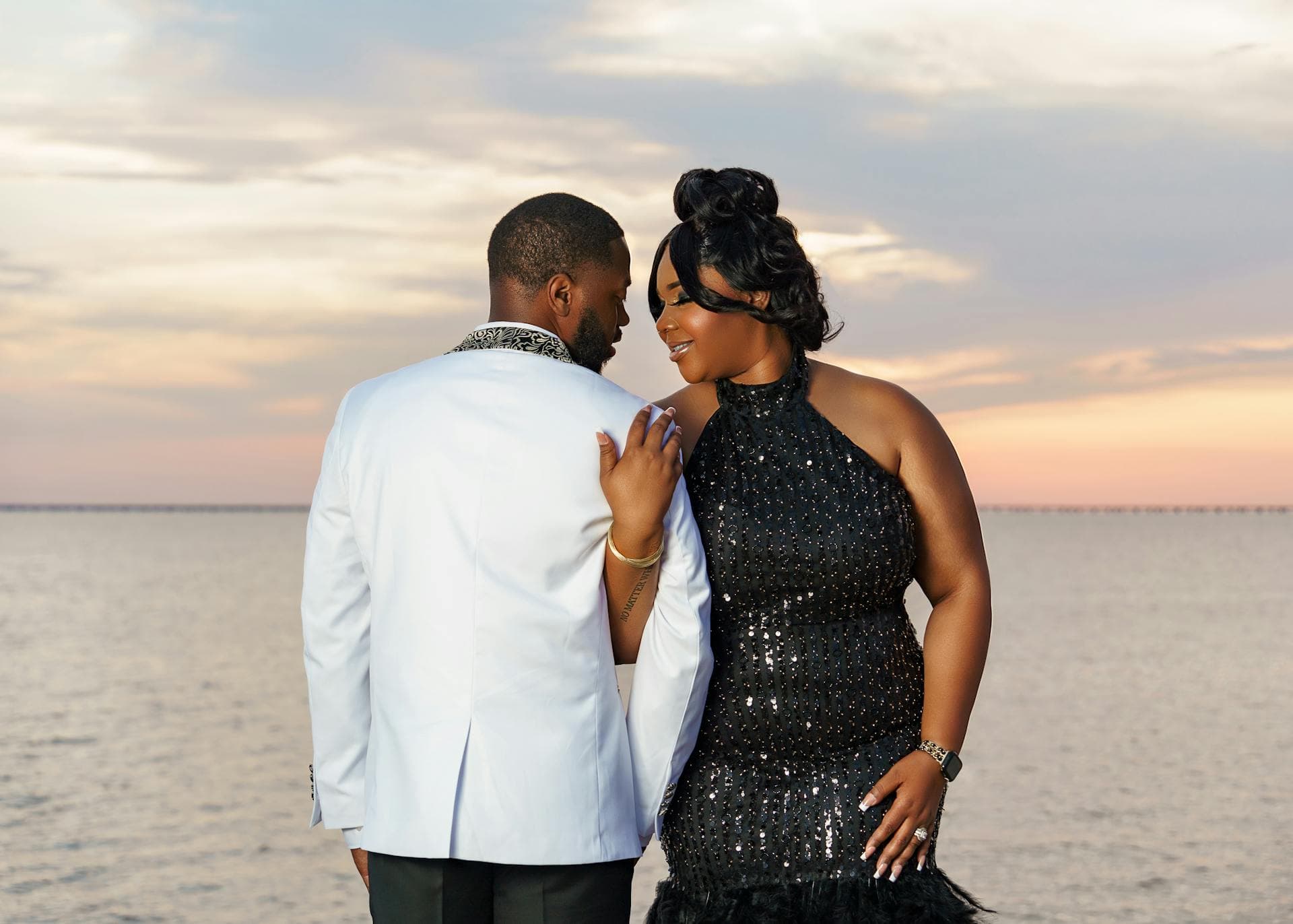
The hour before sunset produces the most flattering, cinematic natural light. This is non-negotiable for your couple portraits. Work backward from sunset time when building your timeline — golden hour becomes a design element, not just a nice-to-have.
Expert Tip
Look up the exact sunset time for your wedding date and location. Schedule your couple portrait session to begin 75 minutes before sunset for maximum flexibility.
07
Reception Milestones — Know the Flow
Standard reception coverage captures the grand entrance, first dances, toasts, cake cutting, and about 60 minutes of open dancing. Identify any surprise elements (choreographed dance, special entrance, live performers) beforehand so your photographer is camera-ready.
08
Build in Buffer Time
Professional timelines include 5–10 minute buffers between every major block. Hair and makeup run over, family members arrive late, transportation takes longer than expected. These cushions prevent a single delay from cascading through your entire day.
Expert Tip
The number one cause of timeline stress isn't bad planning — it's no buffer. Add 10 minutes after getting ready, 10 after the ceremony, and 10 before the reception entrance.
09
Coordinate With Every Vendor
Share your final photography timeline with every vendor: florist, caterer, DJ, coordinator, and venue manager. A quick introduction between photographer and vendors prevents day-of conflicts and ensures everyone is working from the same schedule.
10
Set Delivery Expectations Early
Professional editing takes 4–8 weeks for weddings. Discuss this timeline upfront so expectations are clear. Ask about sneak peeks (most photographers share 10–20 images within a week), the gallery platform they use, and how long you'll have download access.
Expert Tip
Ask your photographer for 3–5 same-day or next-day sneak peek images you can share on social media while the excitement is fresh.
Ready to Plan Your Timeline?
Let's build a photography schedule tailored to your wedding day. Every detail, every moment, perfectly timed.